Are flood control sandbags available in different colors? Flood Control Sandbags
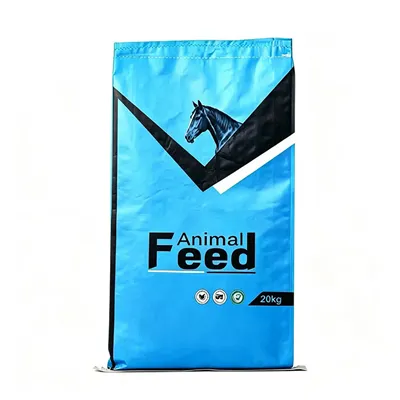
As a supplier of flood control sandbags, I’ve often been asked about the availability of these crucial flood – prevention tools in different colors. The answer is a resounding yes. Flood control sandbags come in a variety of colors, and each color can serve different purposes, whether aesthetic, functional, or related to signaling.
Understanding the Standard Color of Flood Control Sandbags
The most common color for flood control sandbags is a natural or beige – brown color. This color is not by accident. Most traditional sandbags are made from burlap, a coarse, woven fabric typically made from jute or hemp. The natural color of burlap imparts this familiar hue to the sandbags. Burlap has been used for centuries in packaging and is well – suited for flood control applications because it is porous. When filled with sand and placed in a flood – prone area, the water can seep through the burlap, allowing the sandbag to better absorb and disperse the water pressure.
The natural color of burlap sandbags also blends well with the environment. In flood – emergency situations, these sandbags can be placed along riverbanks, on beaches, or in other outdoor areas without being overly obtrusive. This is important because in many cases, flood – control measures are temporary, and it is desirable for them to blend in with the natural landscape as much as possible.
The Role of Different Colors in Flood Control
However, there are many situations where the standard beige – brown sandbags may not be sufficient. That’s where colored flood control sandbags come into play.
Safety and Signaling
One of the most important uses of colored sandbags is for safety and signaling purposes. For example, bright orange or red sandbags can be used to mark dangerous areas, such as the edges of a flood – prone area, the location of underground utilities, or the path of a waterway that is at risk of overflowing. In a flood – emergency situation, it is crucial to quickly and clearly communicate these hazards to workers, residents, and emergency responders. Brightly colored sandbags can serve as highly visible markers, reducing the risk of accidents and ensuring that everyone is aware of potential dangers.
In addition, different colors can be used to indicate different levels of flood risk or different types of flood – control measures. For example, green sandbags could be used to mark areas where the flood risk is relatively low, while yellow sandbags could indicate a moderate risk, and red sandbags could be reserved for high – risk areas. This color – coding system can help emergency management teams and the public quickly understand the severity of the flood situation and take appropriate action.
Aesthetic Considerations
In some cases, the aesthetic appearance of flood control sandbags may be a concern. For example, in urban areas or in areas with high – profile buildings, the standard beige – brown sandbags may not be visually appealing. Colored sandbags can be used to address this issue. For instance, black or gray sandbags can be used in modern urban settings, where they can blend in with the surrounding architecture. White or light – colored sandbags can be used in more upscale or aesthetically sensitive areas, such as beachfront properties or historical districts.
Branding and Identification
For businesses and organizations, colored sandbags can also be used for branding and identification purposes. For example, a municipality or a utility company may want to use sandbags with their logo or colors to clearly identify their flood – control efforts. This can help build trust and confidence among residents and stakeholders, as well as make it easier to track and manage the distribution of sandbags during a flood emergency.
Materials and Manufacturing of Colored Flood Control Sandbags
The availability of colored flood control sandbags is made possible by advancements in materials and manufacturing processes. Sandbags can now be made from a variety of materials, including synthetic polymers, in addition to traditional burlap. Synthetic materials such as polypropylene are often used because they are more durable, resistant to rot and mildew, and can be easily dyed in a wide range of colors.
The manufacturing process for colored sandbags is similar to that of traditional sandbags. The fabric is first cut into the appropriate size and shape, and then the edges are sewn or heat – sealed to create a bag. The fabric can be dyed before or after the bag is formed, depending on the manufacturer’s preferences and the specific requirements of the color. In some cases, the color may be printed or embossed onto the surface of the bag, allowing for more detailed designs and logos.
Meeting the Diverse Needs of Customers
As a flood control sandbag supplier, I understand the diverse needs of our customers. That’s why we offer a wide range of colors and materials to choose from. Whether you need standard beige – brown burlap sandbags for a traditional flood – control project, or brightly colored synthetic sandbags for safety or aesthetic reasons, we have the products to meet your needs.
We work closely with our customers to ensure that they get the right sandbags for their specific applications. Our sales team is knowledgeable about the different properties and uses of colored sandbags, and can provide expert advice on which color and material is best suited for your situation. We also offer custom – printing and branding services, allowing you to add your logo or message to the sandbags.
Quality Assurance and Testing
Regardless of the color or material, all of our flood control sandbags are subject to rigorous quality – assurance and testing procedures. We source our materials from trusted suppliers and use the latest manufacturing techniques to ensure that our sandbags are strong, durable, and reliable. Our sandbags are tested for tear strength, puncture resistance, and water – holding capacity to ensure that they can withstand the rigors of a flood emergency.
In addition, we are committed to environmental sustainability. Many of our synthetic sandbags are made from recycled materials, and we are constantly looking for ways to reduce our environmental impact throughout the manufacturing process.
Encouraging Purchasing and Inquiry
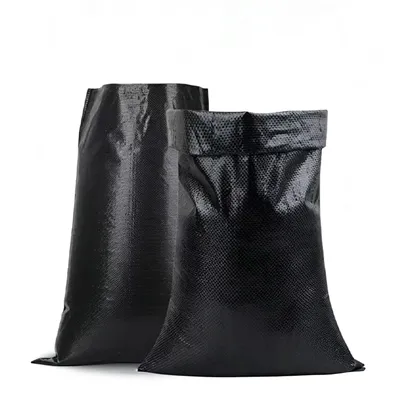
If you are in need of flood control sandbags, whether for a small residential project or a large – scale municipal flood – prevention campaign, we would love to hear from you. Our team is ready to assist you in selecting the right sandbags for your needs, and we offer competitive pricing and fast delivery.
Poly Bag Agriculture Contact us today to discuss your flood control sandbag requirements. We are here to help you protect your property and communities from the devastating effects of floods.
References
- American Society of Civil Engineers, "Flood Control Handbook", 2019
- National Flood Insurance Program, "Best Practices for Flood Control Measures", 2020
- International Journal of Disaster Risk Reduction, "Enhanced Visibility and Safety in Flood – Control Operations through Colored Sandbags", 2021
Liaoning Xunlian Packaging Products Co., Ltd.
Liaoning Xunlian Packaging Products Co., Ltd. is one of the most professional flood control sandbags manufacturers and suppliers in China, featured by quality products and good service. Welcome to wholesale CE approved flood control sandbags made in China here and get quotation from our factory. Customized orders are welcome.
Address: Chaoyang Industrial Park, Kangping, Shenyang, Liaoning, China.
E-mail: info@xunlianpack.com
WebSite: https://www.xunlianpack.com/
