Hey there! I’m a supplier of core systems, and I know how crucial it is for these systems to be reliable. In today’s business world, core systems are the backbone of operations. Any downtime or glitches can lead to significant losses, both in terms of money and reputation. So, let’s dive into how we can improve the reliability of these core systems. 基幹システム

Understanding the Basics of Core System Reliability
First off, what do we mean by the reliability of core systems? Well, it’s all about how consistently a system can perform its intended functions under specific conditions over a given period. A reliable core system should be available when you need it, process data accurately, and handle any unexpected situations gracefully.
One of the key factors that affect reliability is the hardware. Outdated or poorly maintained hardware can cause all sorts of problems. For example, if your servers are running on old processors or have insufficient memory, they might slow down or even crash during peak usage. That’s why it’s important to regularly assess your hardware and upgrade it when necessary.
Another factor is the software. Bugs, compatibility issues, and security vulnerabilities can all undermine the reliability of your core system. Software updates are often released to fix these problems, so it’s essential to keep your software up – to – date. But be careful! Sometimes, software updates can introduce new issues, so it’s a good idea to test them in a staging environment before rolling them out to the production system.
Redundancy and Backup
Redundancy is a great way to improve the reliability of core systems. By having redundant components, you can ensure that if one part of the system fails, another can take over seamlessly. For example, you can have multiple servers in a cluster. If one server goes down, the others can continue to handle the workload.
There are different types of redundancy. You can have hardware redundancy, like having multiple power supplies or network connections. You can also have data redundancy, which means storing data in multiple locations. This way, if one data center experiences a problem, you can still access the data from another location.
Backup is also a crucial part of system reliability. Regularly backing up your data ensures that you can recover it in case of a disaster, such as a fire, flood, or cyber – attack. There are different backup strategies, such as full backups, incremental backups, and differential backups. Each has its own pros and cons, so you need to choose the one that best suits your needs.
Monitoring and Maintenance
Monitoring is essential for detecting and resolving issues before they become major problems. You should monitor various aspects of your core system, such as CPU usage, memory utilization, network traffic, and disk I/O. There are many monitoring tools available in the market that can help you with this.
For example, you can use a tool like Nagios or Zabbix to monitor the performance of your servers. These tools can send you alerts when certain thresholds are exceeded, allowing you to take action quickly.
Regular maintenance is also important. This includes tasks like cleaning up disk space, defragmenting hard drives (if applicable), and checking the integrity of your data. Maintenance should be scheduled during off – peak hours to minimize the impact on your business operations.
Training and Documentation
Your staff plays a crucial role in the reliability of your core system. They need to be properly trained to operate the system, handle various situations, and perform basic maintenance tasks. Training should be ongoing, as new technologies and best practices emerge.
Documentation is also vital. You should have detailed documentation about your core system, including its architecture, configuration, and procedures for troubleshooting. This documentation can be a valuable resource for your staff, especially when dealing with complex issues.
Security
Security is closely related to system reliability. A security breach can disrupt your core system, compromise your data, and damage your reputation. That’s why you need to have a robust security strategy in place.
This includes measures like firewalls, intrusion detection systems, and encryption. You should also educate your staff about security best practices, such as using strong passwords and avoiding phishing attacks.
Regular security audits are also important. These audits can help you identify and address any security vulnerabilities in your core system.
Testing
Testing is an integral part of improving system reliability. Before rolling out any changes to your core system, you should test them thoroughly. This includes unit testing, integration testing, and user acceptance testing.
Unit testing focuses on individual components of the system to ensure that they function correctly. Integration testing checks how different components work together. User acceptance testing involves getting feedback from end – users to ensure that the system meets their needs.
Cloud – Based Solutions
Cloud – based solutions can also enhance the reliability of core systems. Cloud providers typically have advanced infrastructure, redundancy, and backup capabilities. They also offer services like automatic software updates and security patches.
By migrating your core system to the cloud, you can reduce the burden of hardware maintenance and focus on your core business. However, you need to choose a reliable cloud provider and ensure that they meet your security and compliance requirements.
Conclusion
Improving the reliability of core systems is a continuous process. It involves a combination of hardware upgrades, software management, redundancy, backup, monitoring, maintenance, training, security, testing, and potentially cloud – based solutions.
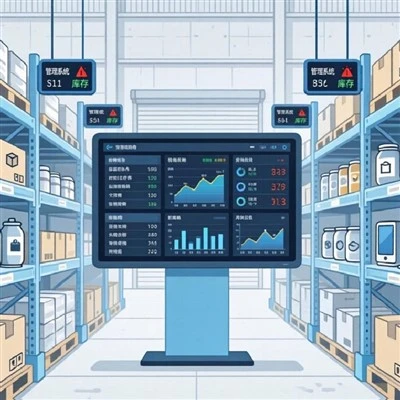
As a core system supplier, I’m here to help you with all these aspects. Whether you’re looking to upgrade your existing system, implement a new one, or just need some advice on improving reliability, I’ve got you covered.
security If you’re interested in learning more about how we can work together to improve the reliability of your core systems, I’d love to have a chat with you. Reach out to me for a procurement discussion, and we can explore the best solutions for your business.
References
- Anderson, T. (2018). System Reliability Engineering. McGraw – Hill.
- Brown, J. (2019). Software Testing and Quality Assurance. Wiley.
- Clark, R. (2020). Cloud Computing: Concepts, Technology & Architecture. O’Reilly Media.
SCSK Shanghai, the China base of SCSK Corporation, is one of the most experienced core system service providers and suppliers in China and Japan, featuring advanced services and good prices.If you want to know more about discounted core system services, please feel free to contact us for price list and quotation.Customized orders are also welcome.
Address:
E-mail:
WebSite: https://www.scskcn.com/
