As a fire pump supplier, I’ve encountered numerous inquiries from clients regarding the maintenance frequency of fire pumps. This is a critical topic because proper maintenance ensures the reliability of fire pumps, which are essential for protecting lives and property in the event of a fire. In this blog, I’ll share my insights based on industry standards and practical experience to help you understand how often a fire pump should be maintained. Fire Pump

Understanding the Basics of Fire Pump Maintenance
Fire pumps are complex mechanical systems designed to provide high – pressure water to a building’s fire sprinkler system or other fire suppression equipment. They consist of various components such as the pump itself, the driver (usually an electric motor or a diesel engine), control panels, valves, and piping. Each of these components requires regular inspection and servicing to function correctly.
The primary goal of fire pump maintenance is to detect and address potential issues before they lead to a system failure. A malfunctioning fire pump can mean the difference between containing a fire early and facing a catastrophic loss.
Factors Influencing Maintenance Frequency
Several factors determine how often a fire pump should be maintained. These factors take into account the type of fire pump, its operating conditions, and relevant regulatory requirements.
Type of Fire Pump
There are different types of fire pumps, including centrifugal pumps, positive displacement pumps, and turbine pumps. Centrifugal pumps are the most commonly used in fire protection systems. The complexity of the pump’s design and the number of moving parts can significantly affect the maintenance interval. For instance, a more complex pump with multiple stages may require more frequent maintenance compared to a single – stage pump.
Operating Conditions
The environment in which the fire pump operates plays a crucial role in determining maintenance frequency. If the pump is located in a harsh environment, such as an area with high humidity, extreme temperatures, or a lot of dust and debris, it will likely need more frequent maintenance. High humidity can cause corrosion, while extreme temperatures can affect the performance of the motor and other components. Dust and debris can clog filters and valves, leading to reduced efficiency.
A fire pump that operates more frequently, even during routine testing, will also require more regular maintenance. The wear and tear on the components increase with the number of operational cycles.
Regulatory Requirements
Local, national, and international regulations have a significant impact on fire pump maintenance schedules. For example, the National Fire Protection Association (NFPA) in the United States sets standards for fire protection systems, including fire pumps. These standards specify minimum requirements for inspection, testing, and maintenance. Compliance with these regulations is not only a legal obligation but also a best – practice approach to ensuring the safety of the building and its occupants.
Recommended Maintenance Intervals
Based on industry standards and my experience, here are the general maintenance intervals for different aspects of a fire pump system:
Daily Checks
- Visual Inspection: A quick visual check of the fire pump should be conducted daily. This includes checking for any signs of leaks around the pump, valves, and piping. Look for puddles of water or oil, which could indicate a problem. Also, inspect the control panel for any warning lights or alarms.
- Pressure Gauges: Check the pressure gauges on the pump and the system to ensure that they are within the normal operating range. Abnormal pressure readings could be a sign of a blockage or a malfunction in the pump.
Weekly Checks
- Pump Operation: Run the fire pump for a short period (usually 10 – 15 minutes) at least once a week. This helps to keep the pump lubricated and ensures that it can start and operate properly when needed. During the weekly run, listen for any unusual noises, such as grinding or rattling, which could indicate a mechanical problem.
- Battery Check (for Electric – Driven Pumps): If the fire pump is electric – driven and has a backup battery system, check the battery status weekly. Make sure the batteries are fully charged and there are no signs of corrosion on the terminals.
Monthly Checks
- Lubrication: Check the lubrication levels in the pump and the motor. Different types of pumps and motors require specific types of lubricants, so it’s important to follow the manufacturer’s recommendations. Add lubricant if necessary, but be careful not to over – lubricate.
- Valve Inspection: Inspect all the valves in the fire pump system, including the isolation valves, check valves, and relief valves. Ensure that they are fully open and functioning correctly. Look for any signs of valve leakage or sticking.
Quarterly Checks
- Chlorine and pH Levels (for Water – Based Systems): If the fire pump system uses water from a storage tank, check the chlorine and pH levels quarterly. Proper water chemistry is essential to prevent corrosion and the growth of bacteria in the system.
- Electrical Connections: Inspect all the electrical connections in the control panel and the motor. Look for any signs of loose connections, overheating, or corrosion. Tighten any loose connections and clean any corroded terminals.
Annual Checks
- Complete Inspection and Testing: Once a year, a comprehensive inspection and testing of the fire pump system should be carried out by a qualified technician. This includes a thorough mechanical inspection of the pump, motor, and all components, as well as performance testing to ensure that the pump can deliver the required flow and pressure.
- System Calibration: Calibrate all the sensors, gauges, and control devices in the fire pump system to ensure accurate readings and proper operation.
Importance of Professional Maintenance
While daily and weekly checks can be performed by building owners or facility managers, more in – depth maintenance tasks should be carried out by a qualified professional. A professional technician has the knowledge, skills, and tools to accurately diagnose and repair any issues with the fire pump. They are also familiar with the latest industry standards and regulations, ensuring that the maintenance is done in compliance with all requirements.
Moreover, a professional maintenance service provider can keep detailed records of all maintenance activities. These records are not only useful for internal management but may also be required for regulatory compliance.
Conclusion
In conclusion, the maintenance frequency of a fire pump depends on multiple factors, including the type of pump, operating conditions, and regulatory requirements. By following the recommended maintenance intervals, you can ensure the reliability and longevity of your fire pump system.
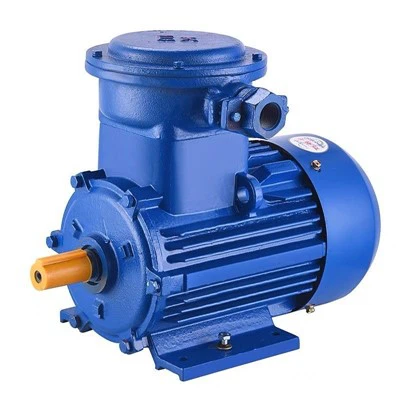
YE3 Three-Phase Motor Remember, a well – maintained fire pump is a silent guardian that stands ready to protect your property and lives in the event of a fire. If you are considering purchasing a fire pump or need advice on maintenance, I invite you to contact us. Our team of experts is always ready to provide you with high – quality products and professional guidance on fire pump maintenance.
References
- National Fire Protection Association (NFPA). NFPA 20: Standard for the Installation of Stationary Pumps for Fire Protection.
- Fire Protection Handbook, various editions.
- Manufacturer’s manuals for different types of fire pumps.
Taizhou Goodpump Trading Co., Ltd.
We’re well-known as one of the most professional fire pump enterprises in China, featured by quality products and good service. Please rest assured to buy discount fire pump in stock here from our factory. For quotation, contact us now.
Address: No. 38, District 6, Zhengye Village, Lunan Street, Luqiao District, Taizhou City, Zhejiang Province, China
E-mail: 19548175755@163.com
WebSite: https://www.goodpump-cn.com/
