Hey there! If you’re into the world of cutting and grinding, you’ve probably heard of Diamond Fickert Abrasive. I’m a supplier of this top – notch abrasive, and today I’m gonna share with you how to adjust the cutting parameters when using it. Diamond Fickert Abrasive
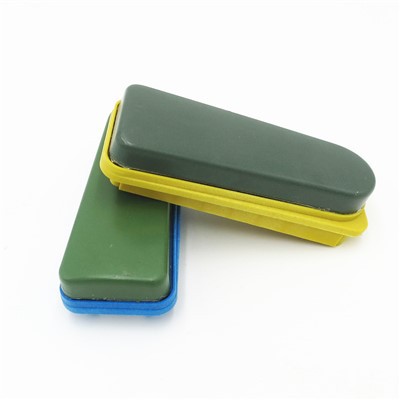
First off, let’s talk about why adjusting cutting parameters is so important. You see, Diamond Fickert Abrasive is a high – performance product, but if you don’t set the right parameters, you won’t get the best results. It could lead to everything from slower cutting speeds to premature wear of the abrasive.
Cutting Speed
The cutting speed is one of the most crucial factors. It’s measured in surface feet per minute (SFM) for rotating tools. When you’re using Diamond Fickert Abrasive, the cutting speed depends on a few things.
The material you’re cutting is a big deal. For softer materials like aluminum or copper, you can crank up the cutting speed. These materials are easier to cut through, so a higher speed won’t cause excessive wear on the abrasive. You can aim for an SFM of around 2000 – 3000 for aluminum, while for copper, 1500 – 2500 SFM is usually good.
On the other hand, if you’re dealing with harder materials like stainless steel or titanium, you gotta slow it down. The hard – to – cut nature of these materials means that a high cutting speed can cause the abrasive to overheat and lose its cutting edge. For stainless steel, an SFM of 500 – 1000 is more appropriate, and for titanium, 300 – 600 SFM is a good range.
Another thing that affects the cutting speed is the type of Diamond Fickert Abrasive you’re using. Some abrasives are designed for high – speed cutting, while others are better for more precision work at lower speeds. Check the product specifications to see what the recommended cutting speed is for your specific abrasive.
Feed Rate
The feed rate is how fast the workpiece moves into the cutting tool. It’s measured in inches per revolution (IPR) for lathes or inches per minute (IPM) for mills.
When using Diamond Fickert Abrasive, the feed rate should be adjusted based on the cutting speed and the material. If you’re cutting at a high speed, you can usually increase the feed rate a bit. But don’t go too crazy! You still want to make sure the abrasive has enough time to do its job properly.
For softer materials, you can use a higher feed rate. For example, when cutting aluminum, an IPR of 0.01 – 0.03 might be suitable. This allows for a relatively fast removal of material without putting too much stress on the abrasive.
Harder materials need a lower feed rate. If you’re cutting stainless steel or titanium, an IPR of 0.001 – 0.01 is more appropriate. This slower feed rate gives the abrasive more time to break through the tough material and reduces the risk of it getting damaged.
The shape and size of the cut also matter. If you’re making a shallow, wide cut, you can use a higher feed rate compared to a deep, narrow cut. A deep cut requires more force from the abrasive, so it’s better to keep the feed rate low to prevent overloading.
Depth of Cut
The depth of cut is the thickness of the material that’s being removed in one pass. It’s a key parameter when using Diamond Fickert Abrasive.
For softer materials, you can take a deeper cut. When working with aluminum, you might be able to take a depth of cut of 0.1 – 0.2 inches. This allows you to remove a significant amount of material quickly.
But for harder materials, the depth of cut has to be much shallower. When cutting stainless steel, a depth of cut of 0.01 – 0.05 inches is usually all you can handle without causing too much strain on the abrasive.
If you try to take too deep a cut with the wrong parameters, the abrasive can overheat, the cutting force will increase, and the surface finish of the workpiece will suffer. You might end up with a rough, uneven surface instead of a smooth one.
Coolant and Lubrication
Using the right coolant and lubrication is just as important as adjusting the cutting speed, feed rate, and depth of cut. Diamond Fickert Abrasive can generate a lot of heat during the cutting process, and if you don’t manage this heat, the abrasive will wear out quickly.
For most applications, a water – based coolant is a good choice. It helps to reduce the temperature by carrying away the heat generated during cutting. Some coolants also contain additives that can improve the lubrication between the abrasive and the workpiece.
When you’re using a coolant, make sure it’s applied directly to the cutting area. You can use a flood coolant system, which sprays a continuous stream of coolant over the workpiece and the cutting tool. This helps to keep everything cool and reduces friction.
In some cases, you might also use a lubricant. A lubricant can help to reduce the wear on the abrasive and improve the surface finish of the workpiece. There are different types of lubricants available, such as oil – based lubricants and synthetic lubricants. Choose the one that’s best suited for the material you’re cutting and the type of Diamond Fickert Abrasive you’re using.
Tool Wear and Inspection
Regularly inspecting the abrasive tool for wear is essential. As you use Diamond Fickert Abrasive, it will gradually wear down. You can usually tell if the tool is worn by looking at the surface finish of the workpiece. If the surface is getting rougher or if there are signs of chipping or breaking on the abrasive, it’s time to make some adjustments.
If the tool is wearing too quickly, it could be a sign that the cutting parameters are wrong. You might need to reduce the cutting speed or the feed rate. On the other hand, if the wear is very slow, you might be able to increase the cutting speed or the feed rate to improve productivity.
You can also use a tool wear gauge to measure the amount of wear on the abrasive. This will give you a more accurate idea of how much life the tool has left and whether you need to adjust the parameters.
Conclusion
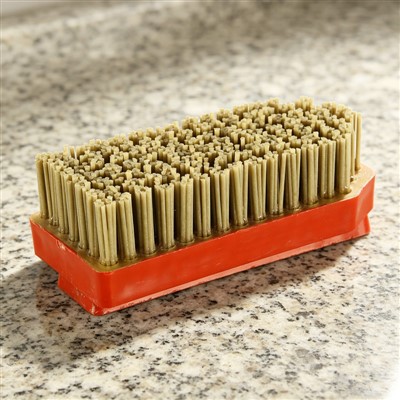
Adjusting the cutting parameters when using Diamond Fickert Abrasive is not rocket science, but it does require a bit of knowledge and experimentation. By paying attention to the cutting speed, feed rate, depth of cut, coolant, and tool wear, you can get the best performance out of your abrasive and ensure a high – quality finish on your workpieces.
Resin Frankfurt Abrasive If you’re interested in purchasing Diamond Fickert Abrasive or have any questions about setting the right cutting parameters, feel free to reach out. I’m here to help you make the most of this amazing product.
References
- "Metal Cutting Handbook" by various industry experts
- Manufacturer’s guidelines for Diamond Fickert Abrasive
- Research papers on cutting tools and abrasives in peer – reviewed engineering journals
Quanzhou Cheefung New Materials Co., Ltd.
As one of the most experienced diamond fickert abrasive enterprises in China, we are able to meet the needs of the majority of our customers. Please feel free to wholesale advanced diamond fickert abrasive made in China here from our factory. For price consultation, contact us.
Address: Jinshan Community, Licheng District, Quanzhou City, Fujian, China
E-mail: info@prostonetools.com
WebSite: https://www.prostonetools.com/
