As a supplier of KIDD Stainless Steel Cathode Plates, I often encounter inquiries from customers about the various properties of our products. One question that comes up frequently is about the magnetic property of KIDD Stainless Steel Cathode Plates. In this blog post, I’ll delve into the details of this aspect, providing you with a comprehensive understanding. KIDD Stainless Steel Cathode Plate

Understanding Stainless Steel and Magnetism
Before we specifically talk about KIDD Stainless Steel Cathode Plates, it’s crucial to understand the general concept of stainless – steel magnetism. Stainless steel is an alloy of iron, chromium, and other elements. The magnetic properties of stainless steel depend mainly on its crystal structure.
There are three main types of stainless – steel crystal structures: austenitic, ferritic, and martensitic. Austenitic stainless steel is typically non – magnetic. This is because the face – centered cubic (FCC) crystal structure in austenitic stainless steel does not allow for the easy alignment of magnetic domains. On the other hand, ferritic and martensitic stainless steels have body – centered cubic (BCC) or body – centered tetragonal (BCT) crystal structures, which enable magnetic domains to align more easily, making them magnetic.
The Crystal Structure of KIDD Stainless Steel Cathode Plates
KIDD Stainless Steel Cathode Plates are made from a carefully selected grade of stainless steel. Our research and development team has optimized the alloy composition to achieve the best performance for cathode plate applications. The specific crystal structure of our KIDD Stainless Steel Cathode Plates is a combination of austenitic and a small fraction of ferritic phases.
The austenitic phase is the dominant one in our cathode plates. This austenitic structure provides excellent corrosion resistance, high ductility, and good formability, which are essential properties for cathode plates used in electrolysis processes. However, the presence of a small amount of the ferritic phase gives the KIDD Stainless Steel Cathode Plates a weak magnetic property.
Reasons for the Weak Magnetic Property
The weak magnetic property in our KIDD Stainless Steel Cathode Plates is not a defect but rather a result of the alloy design. During the manufacturing process, the addition of certain elements and the heat – treatment procedures are precisely controlled to create this unique structure.
One of the main reasons is the need to enhance mechanical strength. The ferritic phase, with its magnetic nature, can contribute to the overall strength and hardness of the cathode plates. This is important because cathode plates need to withstand the physical and chemical stresses during electrolysis. For example, in copper electrorefining, the cathode plates are constantly exposed to electrolyte solutions and electrical currents, and they need to maintain their shape and integrity.
Another reason is related to the ease of handling and separation. The weak magnetic property allows for easy identification and separation of the cathode plates during the manufacturing process, as well as in recycling and reuse scenarios. Magnets can be used to quickly and efficiently sort the KIDD Stainless Steel Cathode Plates from other non – magnetic materials.
Impact of the Magnetic Property on Performance
The weak magnetic property of KIDD Stainless Steel Cathode Plates has little to no negative impact on their performance in electrolysis applications. In fact, it can even have some positive effects.
In terms of the electrolysis process, the magnetic field generated by the weak magnetism of the cathode plates is negligible compared to the electrical field applied during electrolysis. The movement of ions in the electrolyte solution is mainly driven by the electrical potential difference, and the weak magnetic field does not interfere with this process.
On the contrary, the enhanced mechanical strength brought about by the ferritic phase can improve the long – term stability of the cathode plates. They are less likely to deform or break during operation, which ensures a more consistent and efficient electrolysis process. For instance, in nickel electrowinning, the stable cathode plates can provide a smooth surface for the deposition of nickel, resulting in high – quality nickel products.
Testing and Control of the Magnetic Property
As a responsible supplier, we have strict quality control measures in place to ensure that the magnetic property of our KIDD Stainless Steel Cathode Plates is within the acceptable range.
We use advanced magnetic testing equipment to measure the magnetic susceptibility of each batch of cathode plates. This allows us to accurately determine the strength of the magnetic field and compare it with the pre – set standards. If the magnetic property is outside the specified range, we can adjust the manufacturing process, such as modifying the alloy composition or altering the heat – treatment parameters.
Practical Applications and Customer Benefits
The unique magnetic property of KIDD Stainless Steel Cathode Plates has found wide applications in the metallurgical industry. In electrolytic refining and electrowinning of various metals, including copper, nickel, zinc, and precious metals, our cathode plates have proven to be reliable and efficient.
For copper electrorefining plants, the stable performance of our KIDD Stainless Steel Cathode Plates leads to high – purity copper production. The weak magnetic property, combined with excellent corrosion resistance, ensures that the cathode plates can be used for a long time without significant degradation. This reduces the frequency of plate replacement and lowers the overall production cost.
In the case of nickel electrowinning, the enhanced mechanical strength provided by the magnetic ferritic phase allows for higher current densities to be applied during the process. This results in increased production efficiency and higher yields.
Conclusion
In conclusion, the magnetic property of KIDD Stainless Steel Cathode Plates is a carefully engineered characteristic that offers both practical and performance benefits. The weak magnetism, resulting from the combination of austenitic and ferritic phases, is a testament to our advanced alloy design and manufacturing technology.
If you are looking for high – quality stainless – steel cathode plates for your electrolysis applications, KIDD Stainless Steel Cathode Plates are an excellent choice. We are committed to providing you with products that meet the highest standards of quality and performance. Whether you are a small – scale laboratory or a large – scale industrial facility, we can meet your specific requirements.
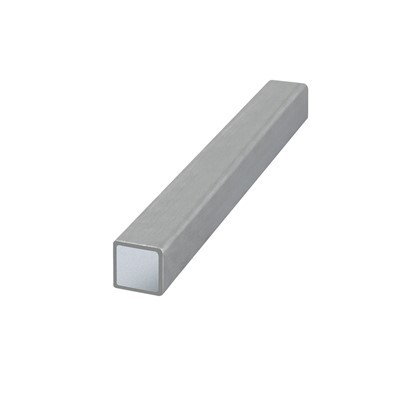
Insulating Edge Strips If you are interested in learning more about our KIDD Stainless Steel Cathode Plates or have any inquiries regarding purchasing, please feel free to contact us. We look forward to starting a productive partnership with you.
References
- ASM Handbook Volume 1: Properties and Selection: Irons, Steels, and High – Performance Alloys, ASM International.
- Stainless Steel: A Technical Guide, The Nickel Institute.
- "Electrochemical Principles of Metal Deposition" by A. Brenner, Academic Press.
AATI Cathode Co., Ltd.
AATI Cathode Co., Ltd. is one of the leading kidd stainless steel cathode plate manufacturers and suppliers in China. We warmly welcome you to buy high-grade kidd stainless steel cathode plate made in China here from our factory. All customized products are with high quality and competitive price. Contact us for free sample.
Address: NO. 1, ZHENXING ROAD, BAOJI CITY, SHAANXI, CHINA
E-mail: ivy@bjaati.com
WebSite: https://www.bjcathode.com/
