As a seasoned copper turning supplier, I’ve seen firsthand how various factors can make or break the quality of copper turning. In this blog, I’ll share some insights into what affects the quality of copper turning based on my years of experience in the industry. Copper Turning

Material Quality
The quality of the copper material itself is the foundation of high – quality copper turning. Not all coppers are created equal. There are different grades of copper available in the market, such as pure copper (C11000), brass (an alloy of copper and zinc), and bronze (an alloy of copper and tin). Each grade has its own unique properties.
Pure copper is known for its excellent electrical and thermal conductivity. It’s also very malleable, which is great for turning operations. However, it’s relatively soft, so it might not be suitable for applications where high strength is required. On the other hand, brass is harder and more corrosion – resistant than pure copper. It’s often used in plumbing and decorative applications. Bronze, with its high strength and wear – resistance, is commonly used in bearings and bushings.
When sourcing copper materials, we always look for suppliers who can provide consistent quality. Impurities in the copper can cause all sorts of problems during turning. For example, sulfur impurities can make the copper brittle, leading to cracking and poor surface finish. We also pay close attention to the grain structure of the copper. A uniform grain structure ensures better machinability and more consistent turning results.
Cutting Tools
The choice of cutting tools plays a huge role in the quality of copper turning. Different cutting tools have different geometries and coatings, and these can significantly impact the cutting process.
Carbide cutting tools are a popular choice for copper turning. They are very hard and can withstand high cutting speeds and feeds. Carbide tools also have a longer tool life compared to high – speed steel (HSS) tools, which means less downtime for tool changes. However, carbide tools are more expensive, so we need to balance the cost with the benefits.
The geometry of the cutting tool is also crucial. The rake angle, clearance angle, and cutting edge radius all affect how the tool interacts with the copper. A proper rake angle can reduce cutting forces and improve chip formation. If the rake angle is too large, the cutting edge may become weak and prone to chipping. A suitable clearance angle prevents the tool from rubbing against the workpiece, which can lead to poor surface finish and overheating.
Coatings on cutting tools can further enhance their performance. For example, titanium nitride (TiN) coatings can increase the hardness and wear – resistance of the tool, reducing friction and extending tool life. We experiment with different coatings to find the ones that work best for our specific copper turning applications.
Cutting Parameters
Cutting parameters, including cutting speed, feed rate, and depth of cut, are like the recipe for a good copper turning job. Get them wrong, and you’ll end up with a sub – par product.
Cutting speed is the speed at which the cutting tool moves relative to the workpiece. If the cutting speed is too low, the tool will rub against the copper instead of cutting it cleanly. This can result in a rough surface finish and increased tool wear. On the other hand, if the cutting speed is too high, the tool may overheat, leading to premature tool failure and poor dimensional accuracy.
The feed rate is the distance the tool advances into the workpiece per revolution. A higher feed rate can increase productivity, but it may also cause a rougher surface finish. A lower feed rate, while resulting in a better surface finish, can slow down the production process. We need to find the right balance based on the requirements of the specific job.
The depth of cut is the thickness of the material removed in each pass of the cutting tool. A large depth of cut can remove more material quickly, but it also requires more cutting force. If the cutting force is too high, it can cause vibration and chatter, which will affect the surface finish and dimensional accuracy of the copper turning.
Machine Tool Condition
The condition of the machine tool is often overlooked, but it can have a big impact on the quality of copper turning. A well – maintained machine tool is essential for accurate and consistent turning.
The spindle of the machine tool should be in good condition. Any runout or misalignment in the spindle can cause variations in the diameter of the copper turning. We regularly check the spindle for wear and tear and perform maintenance as needed.
The slideways of the machine tool also need to be properly lubricated and free of debris. If the slideways are dirty or not lubricated, the tool may move unevenly, resulting in poor surface finish and dimensional inaccuracies.
The control system of the machine tool should be accurate and reliable. Modern CNC (Computer Numerical Control) machines offer high precision and repeatability. However, if the control system is not calibrated correctly, it can lead to errors in the cutting process.
Environmental Conditions
Environmental conditions can also affect the quality of copper turning. Temperature and humidity can have an impact on both the copper material and the cutting process.
In high – temperature environments, the copper may expand, which can affect the dimensional accuracy of the turning. High humidity can cause the copper to oxidize, especially if it’s not properly protected. This oxidation can lead to a poor surface finish and reduced corrosion resistance.
We try to maintain a stable environment in our workshop. We use air – conditioning and dehumidifiers to control the temperature and humidity levels. This helps us ensure consistent quality in our copper turning products.
Operator Skill and Experience
Last but not least, the skill and experience of the operator are vital. A skilled operator can make all the difference in a copper turning job.
An experienced operator knows how to set up the machine tool correctly, select the right cutting tools and parameters, and troubleshoot problems that may arise during the cutting process. They can also detect subtle changes in the cutting process, such as changes in the sound or vibration, and take appropriate action.
We invest in training our operators regularly. We provide them with the latest knowledge and techniques in copper turning, so they can produce high – quality products consistently.
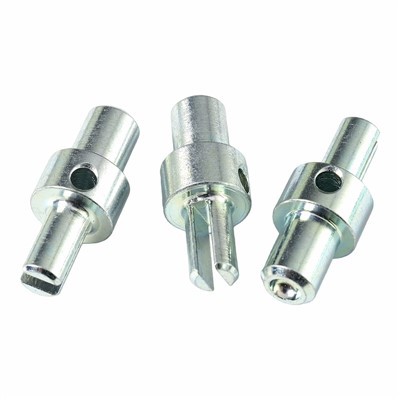
In conclusion, the quality of copper turning is affected by a variety of factors, from the quality of the copper material to the skill of the operator. As a copper turning supplier, we pay close attention to all these factors to ensure that we can provide our customers with the best – quality products.
Copper Turning If you’re in the market for high – quality copper turning products, we’d love to have a chat with you. Whether you have a specific project in mind or just need some advice on copper turning, feel free to reach out. We’re here to help you find the best solutions for your needs.
References
- "Machining of Metals" by John A. Schey
- "Handbook of Copper and Copper Alloys" by ASM International
- Industry – specific technical papers and research on copper turning processes.
Huizhou Quanyi Precision Hardware Products Co., Ltd.
We’re well-known as one of the leading copper turning manufacturers and suppliers in China, featured by quality products and good service. Please rest assured to buy customized copper turning made in China here from our factory. Contact us for more details.
Address: Building A10, 7th Floor, Zhongchuangyingke 5G Industrial Park, Zhonghan Industrial Park, Tonghu Town, Huizhou City
E-mail: info@qycncturning.com
WebSite: https://www.qycncturning.com/
