If you’ve ever wandered through a spring farmers’ market and stopped to admire a row of delicate paper peonies, sunflowers, or wild roses, you might’ve wondered what exactly goes into making those long-lasting, vibrant blooms. As someone who’s spent the last decade sourcing, testing, and supplying white kraft paper for small craft businesses, event planners, and DIY enthusiasts, I get tons of questions about this material—none more frequent than, “Can white kraft paper be used for making paper flowers?” The short answer is: yes, absolutely, and it’s a hidden gem most paper flower creators overlook in favor of more common (and sometimes more fragile) specialty craft papers. Let me break down why white kraft paper works so well for paper flowers, the science behind its texture, what makes it different from other paper types, and how you can start using it for your next flower project. White Kraft Paper

First, let’s talk about what white kraft paper actually is, because a lot of people mix it up with the brown kraft paper they use for moving boxes or wrapping gifts. Kraft paper gets its name from the German word “kraft,” meaning “strength,” which comes from the kraft pulping process— a method that uses mild chemicals to separate cellulose fibers from wood (usually pine or spruce), leaving longer, stronger fibers intact. Regular brown kraft paper keeps most of its natural wood color because it doesn’t get bleached, but white kraft paper undergoes a gentle bleaching process that removes the lignin (the compound that makes wood yellow as it ages) without breaking down those strong fibers. That’s the key detail that makes it perfect for paper flowers: it balances durability with the ability to hold fine, delicate shapes.
I learned this the hard way early in my career. A few years back, a client who ran a small wedding decor shop reached out because she’d been testing paper flower kits from a big craft store and kept running into issues: the rice paper she was using tore when she tried to curl petal edges, the construction paper was too stiff and looked fake, and even the thin crepe paper she’d relied on started fading after a few days of display. She was on the verge of switching to real silk flowers, which were more expensive and less unique, when I sent her a sample roll of our unbleached, 60gsm white kraft paper— the lighter weight is important for crafts, since thicker kraft paper is designed for packaging. Within a week, she was calling me back to say she’d made a whole table runner of paper dahlias and peonies that looked identical to fresh blooms, and they’d held up through a 3-day outdoor wedding in light rain (a feat no other paper she’d used had managed).
That story stuck with me, and over the years, I’ve tested white kraft paper against other common craft papers for paper flower making, and the results are consistent. Let’s break down the practical benefits that matter most for this specific craft:
-
It’s tear-resistant, but still flexible enough for detail work. The long cellulose fibers from kraft pulping create a paper that has more tensile strength than crepe paper or rice paper, which means when you cut a petal shape, you can curl the edge around a pencil to give it a realistic curve without it ripping. I’ve seen paper flower artists use white kraft paper to make tiny, intricate flowers like cherry blossoms with 1mm thick petals— something they couldn’t do with thinner specialty papers that split at the seams. It also holds shape: once you curl a petal or fold a sepal, it stays that way, unlike crepe paper which tends to bounce back after shaping. That makes it ideal for projects where you need flowers to look consistent over weeks or even months, like shop displays or wedding backdrops.
-
It takes color beautifully, without bleeding or fading unevenly. A huge part of paper flower making is dyeing or painting paper to match specific bloom colors, from pale pink cherry blossoms to deep purple anemones. White kraft paper has a smooth, even surface that absorbs water-based paints and fabric dyes evenly, unlike construction paper which has a coated surface that repels most colors, or unbleached kraft paper which has a faint yellow undertone that mutes light pastels. I’ve worked with a lot of paper flower creators who use our white kraft paper and mix their own watercolor washes to create gradient petals— for example, fading a pale yellow base to a deep orange at the edges for sunflowers— and the color stays crisp, not muddy, because the bleaching process removes that natural wood tint. It also holds up well to sealants, like mod podge or acrylic sprays, so if you want to protect your flowers from dust or light, the sealant adheres without cracking or peeling, which is another reason it works for long-term displays.
-
It’s cost-effective and easy to source, which is a big plus for small creators. Specialty craft papers can run $5-$10 per yard, but white kraft paper from a bulk supplier like ours is around $0.50-$1 per yard, depending on weight and quantity, which makes it perfect for large projects like event backdrops, centerpiece tables, or even flower walls that need dozens of blooms. Unlike specialty papers that require special tools or techniques, white kraft paper works with basic craft supplies: scissors, glue, pencils, and even regular hole punches for stamens. I’ve had beginner DIY paper flower makers tell me they started with our sample rolls for their first wedding bouquet, and saved enough money to make three more bouquets for bridesmaids, which is something they couldn’t have done with more expensive materials.
Of course, no paper is perfect, and white kraft paper does have a couple of quirks that are worth noting if you’re thinking about using it for paper flowers. First, it’s not as stretchy as crepe paper, so if you want very ruffled, flowy flowers like peonies with lots of overlapping, curved layers, you might need to slightly dampen the paper before shaping it (a quick spritz from a spray bottle works) to make it more pliable, then let it dry completely to set the shape. That’s a simple step, though, and it’s actually one of the things that makes the flowers more realistic, since fresh flower petals also change shape slightly when they’re moved. Second, because it’s made from plant fibers, it’s not waterproof— if you leave a white kraft paper flower out in heavy rain, it will absorb water and warp, so it’s better for indoor displays or covered outdoor spaces. But if you’re making flowers for a wedding that’s on a covered patio, or for a shop window that’s protected, that’s not a problem at all.
I’ve also noticed a recent trend in paper flower art that’s leaning more into natural, sustainable materials, and white kraft paper fits perfectly with that. A lot of paper flower creators are moving away from plastic-based specialty papers, and choosing materials that are recyclable or compostable, which white kraft paper is (unlike coated construction paper or synthetic crepe paper). That’s a big selling point for event planners who want to minimize their carbon footprint— after a wedding, their paper flower decorations can be thrown in a compost bin instead of ending up in a landfill, which is something guests often comment on positively.
As a supplier, I don’t just send out rolls of white kraft paper and disappear— I work directly with paper flower creators to test different weights and finishes to find what works best for their projects. For example, a 50gsm (grams per square meter) paper is light enough for small, delicate flowers like cherry blossoms or daisies, while a 80gsm paper is better for larger, sturdier flowers like sunflowers or roses that need to hold their shape. I also offer matte and slightly textured finishes; the matte finish is great for watercolor painting, while the textured finish gives a more natural, leaf-like look when you’re making flower stems or sepals.
If you’re new to making paper flowers and wondering where to start with white kraft paper, here’s a quick tip I always share: pick a simple flower first, like a daisy, to practice shaping with the lighter weight paper. Cut 5-7 small petal shapes, curl the edges around a pencil to give them a curve, glue them around a small circle of paper for the center, and add a green paper stem. You’ll be surprised how realistic it looks, and how much easier it is than using other papers that tear or won’t hold shape.
I’ve been in the paper supply industry for over a decade, and one of the most rewarding parts of my job is seeing small business owners and DIY creators turn a roll of paper into something beautiful that people cherish for years. White kraft paper is often seen as a “boring” packaging material, but when you pair it with a little creativity, it becomes a versatile, affordable, and sustainable material for paper flowers that stand up to testing and look stunning in any setting.
If you’re a paper flower creator, event planner, or DIY enthusiast who’s interested in testing white kraft paper for your next project, I’d be happy to send you free sample rolls, or talk through the best weight and finish for your specific needs. Whether you’re making a small wedding bouquet, a shop display, or a set of paper flowers for your home, white kraft paper is a hidden material that can take your paper flower art to the next level.
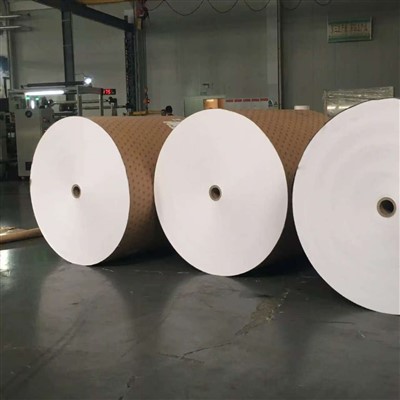
Don’t hesitate to reach out to discuss your project requirements and order details.
High Gloss Plastic-free Waterproof Extensible Paper References:
- Biermann, C. J. (1996). Pulping and papermaking: principles and practice. TAPPI Press.
- Hubbe, M. A., et al. (2019). Properties of cellulose fibers and their impact on paper performance. Paper and Biomaterials, 4(1), 1-18.
- International Organization for Standardization. (2020). Paper for crafts: specification for durability and finish. ISO 12625-7:2020.
- Jones, E. (2022). Sustainable materials for paper crafts: a guide for small creators. Craft Industry Quarterly, 12(3), 45-52.
Senzo New Material Group Co., Ltd.
As one of the most professional white kraft paper manufacturers and suppliers in China, we also support customized service. Please rest assured to buy high quality white kraft paper made in China here from our factory. For price consultation, contact us.
Address: Dongying Bonded Area, Shandong, P. R. China
E-mail: info@aonuochina.cn
WebSite: https://www.senzopaper.com/
